





In recent years, e-commerce has experienced an unprecedented boom, with online shopping becoming increasingly popular among consumers worldwide. According to E-Marketer, 20.1% of retail purchases are expected to take place online in 2024. This boom can be attributed to technology advancements, the availability of high-speed internet, and the convenience and accessibility offered by online shopping platforms.
However, amidst this digital revolution, one crucial aspect that cannot be overlooked is e-commerce insecurity. With the rise in online transactions, the risk of cyber threats and data breaches has become more prevalent, making it paramount to protect customer data and financial information. For instance, online shopping scams accounted for 38% of all reported scams worldwide. Therefore, implementing robust cybersecurity measures is essential to mitigate these risks and ensure the integrity and confidentiality of customer data.
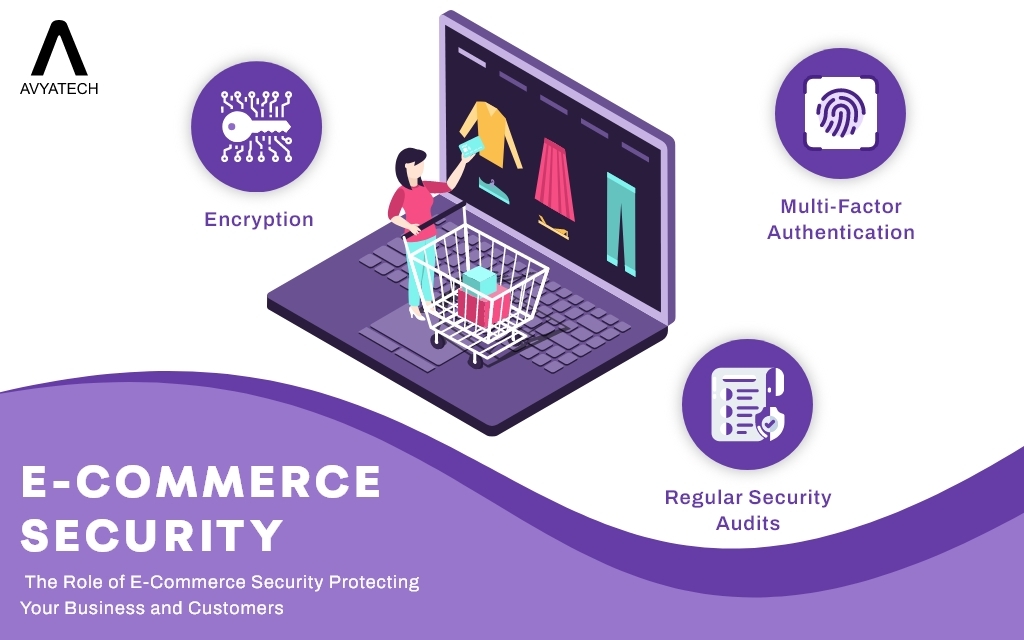
Encryption
Encryption technology scrambles data into a format that can only be deciphered by authorized parties, thereby protecting it from unauthorized access during transmission. Secure socket layer (SSL) certificates, for instance, encrypt data exchanged between a web browser and a server, providing an added layer of protection for online transactions. Such a measure would prevent the $48 billion e-commerce fraud experienced globally by merchants in 2023.
Multi-Factor Authentication (MFA)
MFA requires users to undergo multiple verification forms before accessing their accounts. This could include a combination of passwords, biometric authentication, or one-time codes sent to a mobile device. This makes it much easier for cybercriminals to gain unauthorized access.
Regular Security Audits
By proactively identifying and addressing potential weaknesses in their systems and infrastructure, businesses can minimize the likelihood of security breaches and strengthen their overall cybersecurity posture. For instance, 98% of web applications are vulnerable to attacks that can lead to malware and malicious websites. Regular security audits can prevent such an issue.
Conclusion
By prioritizing cybersecurity measures, businesses can protect sensitive customer data and build trust and confidence in the online experience. For further guidance and assistance in fortifying your e-commerce security infrastructure, contact Avya Tech. Whether you’re looking to strengthen your cybersecurity measures or enhance your website’s performance, our team at Avya Tech can help. Visit AvyaTech or contact us directly to learn how we can support your e-commerce security efforts.